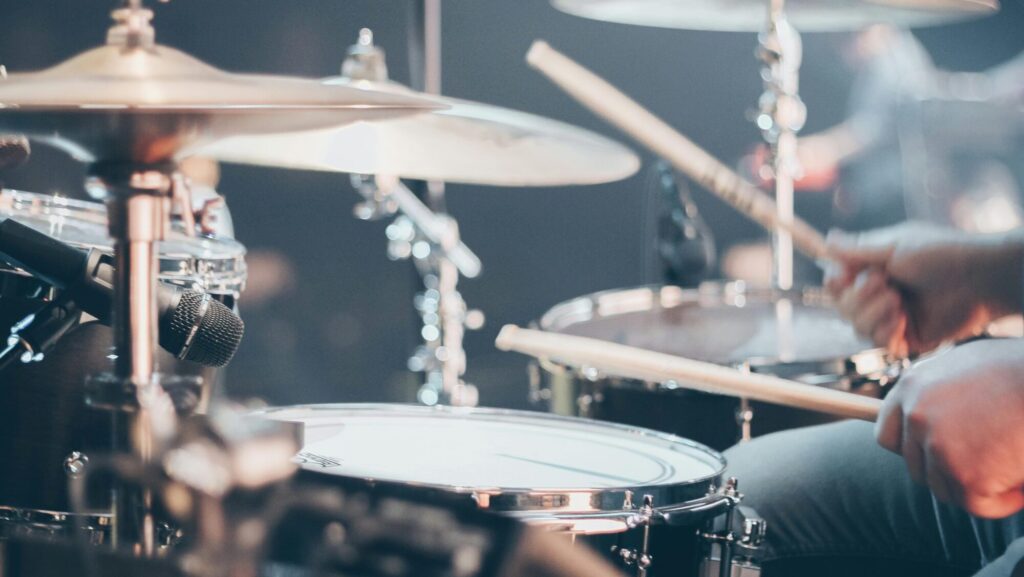
Wired vs Wireless Microphones
5 Differences That Actually Matter
Picture this. You’re halfway through a wedding speech, the room is listening, and suddenly the microphone cuts out.

Not exactly the moment you want everyone to remember.
Choosing between a wired and wireless microphone might seem like a small decision, but it can make a big difference to how smoothly your event runs.
The good news?
Neither is automatically better. It comes down to where you’re using it, who’s speaking and how much freedom they need.
Whether you’re organising a wedding, corporate presentation, live performance or community event, here’s what you need to know before choosing.
The Quick Answer
Choose a wired microphone if reliability, simplicity and keeping costs down are your priorities. Choose wireless if the speaker needs to move around, interact with guests or keep the stage clear of cables.
Both can deliver excellent sound quality when used properly.
Package
Wired microphone
Wireless microphone
Sound quality
Excellent
Excellent
Freedom of movement
Limited by cable
Much greater
Setup
Usually simpler
Requires a few extra checks
Reliability
No radio interference/ Batteries
Depends on signal and setup
Cost
Generally cheaper
Generally more expensive
Best for
Fixed positions, bands, speeches
Weddings, presentations, roaming speakers
Still undecided?
The five differences below should make things clearer.
1. Freedom of Movement: How Far Do You Need to Go?
Let’s start with the most obvious difference.
A wired microphone connects directly to your sound system using an audio cable. It’s straightforward and dependable, but you’re limited by the length of that cable. For a singer standing in one place or someone making announcements from a lectern, that’s rarely a problem.
But what happens when the best man decides to wander between tables during his speech? Or a presenter wants to walk through the audience?
That’s where wireless microphones come into their own.
Without a trailing cable, speakers can move naturally, interact with guests and use the space without worrying about getting tangled up.
Our advice
Think about how the microphone will actually be used, not just where the speaker starts.
A corporate presenter who stays behind a lectern might be perfectly happy with a wired mic. Someone hosting a charity auction and moving between bidders will probably appreciate wireless.
And remember, wireless doesn’t mean unlimited range. Walls, people, equipment and the surrounding environment can all affect the signal.

2. Setup & Simplicity: Plug In or Pair Up?
Wired microphones are refreshingly simple. Connect the microphone to your mixer or speaker, adjust the levels, and you’re pretty much ready to go. Wireless systems involve a little more equipment.
Typically, you’ll have a handheld microphone containing a transmitter, a receiver connected to your sound system and a power supply for the receiver. The transmitter and receiver also need to operate on compatible frequencies.
It’s not particularly complicated, but it does introduce a few extra things to check.
Three things worth doing before guests arrive
Test the microphone from everywhere
Don't just stand beside the sound desk. Walk around the actual performance or speaking area.
Check the batteries and have some spares
A microphone that's working perfectly during setup isn't much use if it dies halfway through the evening.
Check your audio levels
Too little gain can make you difficult to hear. Too much can cause distortion. it's also worthwhile adding compression to have even volume.
If you’re regularly running wireless microphones yourself, keeping a supply of quality batteries is worthwhile. Duracell Procell Intense AA Batteries are one option worth considering, these are the type we use for our events and they last a lot longer than your generic corner store ones.
Ad – This product link earns us a small commission when you make a qualifying purchase, at no extra cost to you.
The takeaway
Wired wins for simplicity. Wireless requires more preparation, but a properly configured system shouldn’t be intimidating.
3. Reliability: What Happens When the Signal Drops?
This is probably the most important difference, especially when you have an audience relying on every word.
With a wired microphone, the audio travels through a physical cable. As long as your microphone, cable and connected equipment are working properly, you don’t need to worry about radio interference.
Wireless microphones transmit the signal through the air. That means they’re potentially affected by other radio equipment, obstructions, frequency congestion and poor receiver placement.
Ever heard a microphone briefly crackle or cut out while someone moves across a stage? That can be a wireless signal problem.
But here’s the important part: wireless microphones aren’t inherently unreliable. Good-quality equipment, suitable frequencies and sensible setup make a substantial difference.
How to reduce wireless microphone dropouts
Keep the receiver antennas away from large metal objects and avoid hiding the receiver behind equipment. Where possible, maintain a clear path between the microphone and receiver antennas.
It’s also worth checking the signal with the venue full, rather than only testing in an empty room.
A crowd can affect radio signal propagation. And if the event really matters, having a spare microphone ready is a sensible precaution.
For a wedding ceremony, awards presentation or important corporate speech, we’d rather have a backup sitting unused than suddenly wish we’d brought one.
One UK-specific detail that's easy to miss
Not all wireless microphones can be used on every radio frequency without a licence.
In the UK, certain frequencies, including those within Channel 70, can be used licence-free under the applicable technical conditions. Other ranges, including Channel 38, generally require a licence.
If you’re purchasing your own wireless system, check its frequency range before ordering, particularly when considering second-hand equipment.
You can find the current requirements in Ofcom’s wireless microphone licensing guidance.
The takeaway
Wired microphones have fewer potential points of failure. Wireless can be extremely dependable too, but proper setup matters.
4. Power & Sound Quality: Is Wired Actually Better?
There’s a common belief that wired microphones always sound better.
Years ago, wireless technology had more limitations, but modern professional wireless systems are capable of producing excellent audio.
For most speeches, presentations and typical event announcements, your audience is unlikely to care whether the microphone has a cable.
What they will notice is poor microphone technique, incorrect volume levels or speakers that aren’t suitable for the space.
A good microphone through a badly configured sound system won’t magically sound good.
What about batteries?
A conventional wired dynamic microphone, such as the Shure SM58, doesn’t require a battery.
Wireless handheld microphones generally do, whether that’s disposable batteries or compatible rechargeable battery packs.
For a long conference, wedding reception or full-day outdoor event, that makes battery management part of your preparation.
A simple habit is to check battery levels before the event begins and keep the correct spares accessible.
One small accessory that can also be useful is a foam microphone windscreen. For compatible handheld microphones, a properly fitted windscreen can help reduce unwanted breath noise, plosives and some light wind disturbance.
It’s particularly useful for spoken-word applications, although it won’t make an ordinary microphone suitable for exposed outdoor conditions in strong winds.
Ad – The above product links earn us a small commission when you make a qualifying purchase, at no extra cost to you.
The takeaway
Don’t choose wired purely because you expect better sound. Choose a decent microphone, position it properly and make sure your sound system is suitable for the venue.

5. Cost: Is Wireless Worth the Extra Money?
A wired microphone is generally the more affordable option. You need the microphone, an appropriate cable and something to connect it to.
With wireless, you’re paying for additional technology, including the transmitter, receiver and radio system. If you’re buying a microphone for occasional use, the difference can be significant.
But there’s another way to look at it. If you’re organising a one-off wedding, awards evening or corporate event, you probably don’t need to buy an entire wireless system.
Hiring allows you to use suitable equipment without the upfront investment, storage requirements or ongoing maintenance. And if you’re hiring a complete sound system, it often makes more sense to choose the microphone as part of that setup rather than treating it as a separate decision.
At JET Event Hire, we offer options including the Shure SM58 wired microphone and Sennheiser XSW 1 wireless microphone system.
The best choice depends on your event rather than which microphone has the longest feature list.
So, Which Microphone Should You Choose?
Here are a few common situations and what we’d generally recommend.
Wedding speeches
Our pick
Wireless
Wedding speeches are unpredictable in the best possible way. Speakers might turn towards the happy couple, move away from their seats or pass the microphone between family members.
A wireless handheld microphone makes those moments easier without dragging a cable across the room.
Corporate presentations
Our pick
It Depends
For someone speaking from a fixed lectern, wired is a straightforward choice. For interactive presentations, product demonstrations or audience questions, wireless offers much more flexibility.
If several people will be speaking, think about how microphones will be shared and whether more than one is needed.
Live music
Our pick
Wired for simplicity, wireless for movement
Wired microphones remain a popular, practical option for vocalists, particularly when they’re performing from a fixed position.
For energetic performers who need to move freely around a stage, a suitable wireless system can be worth the extra preparation.
Outdoor announcements
Our pick
Either, depending on the setup
For school sports days, community fairs and outdoor gatherings, the choice often depends on where announcements will be made.
A fixed announcement point might work perfectly with wired equipment. A roaming organiser or presenter will find wireless much more convenient.
Just remember that microphone choice is only part of the picture. Outdoor events also need appropriate speakers, sensible positioning and a plan for changing weather.
Don't Forget the Little Things
It’s easy to spend ages choosing a microphone and overlook the accessories that make the event run smoothly. If you’re putting together your own setup, three inexpensive items are worth thinking about:
Spare batteries
Useful for wireless microphones. As we mentioned earlier, we use these Duracell ones all the time
Foam windscreens
Handy for reducing breath pops and some unwanted airflow noise on compatible handheld microphones.
Reusable cable ties
A simple way to keep audio cables organised during transport and storage. We use these Vecro Ones
You don’t need a case full of gadgets. Just the right essentials for the equipment you’re using.
Ad – The above product links earn us a small commission when you make a qualifying purchase, at no extra cost to you.
The Final Verdict: Wired or Wireless?
There’s no universal winner, and that’s actually a good thing.
Wired microphones are simple, affordable and dependable. If you don’t need to move around, there’s little reason to complicate things.
Wireless microphones give you freedom. They’re ideal for presenters, wedding speakers, hosts and anyone who doesn’t want to stay in one spot.
Our rule of thumb? If a cable won’t get in the way, wired is usually the simplest option. If movement is part of the event, wireless is probably worth it.
And whichever you choose, test everything before the audience arrives. That ten-minute soundcheck can save an awful lot of awkward silence.
Need a Microphone for Your Event?
Planning a wedding, presentation, conference or community event in the West Midlands?
JET Event Hire can help you choose a microphone and sound setup suited to your venue, audience and event.
Whether that’s one straightforward wired microphone or a complete wireless PA system, we’ll help you work out what you actually need.
Explore our sound hire equipment or get in touch to discuss your event.
Microphone FAQs
Do wireless microphones sound as good as wired microphones?
Yes. A good-quality wireless microphone can deliver excellent sound, especially for speeches, weddings and presentations. The biggest differences usually come down to setup, signal reliability and the quality of the equipment rather than whether there’s a cable attached.
Can two wireless microphones be used at the same time?
Absolutely. You’ll typically need two compatible wireless microphone channels, with each transmitter operating on its own properly coordinated frequency. This is particularly useful for awards ceremonies, panel discussions and events with multiple presenters.
How long do wireless microphone batteries last?
It depends on the microphone, battery type and how it’s used. Some systems can run for several hours, while others offer considerably longer battery life. Always check the manufacturer’s specifications and have suitable spare batteries ready.
Do I need a licence to use a wireless microphone in the UK?
Not always. Some frequencies, including the UK’s licence-exempt Channel 70 range, can be used without an individual licence when the equipment meets the relevant conditions. Other frequencies, such as Channel 38, generally require licensing. Check Ofcom’s guidance before using a wireless system.

Posted By
Jack
JET Event Hire

Affiliate disclosure: This article contains paid links. We earn a small commission from qualifying purchases at no extra cost to you. As an Amazon Associate I earn from qualifying purchases.