
You’ve booked the venue, organised the entertainment, sorted the catering and invited everyone along. Everything’s coming together nicely.
Then you check the weather forecast.
Rain. Wind. Possibly both. Brilliant.
If you’re organising an outdoor event in the UK, unpredictable weather is practically part of the package. Whether it’s a summer wedding, village fête, outdoor concert or corporate gathering, a sunny forecast is never quite the guarantee you’d like it to be.
But here’s the good news: a little preparation can make a big difference.
Weatherproofing an outdoor event isn’t necessarily about spending thousands on equipment. It’s about protecting the essentials, keeping people comfortable and knowing what you’ll do if conditions take a turn.
Here’s how to give your outdoor event the best chance of running smoothly, whatever the British weather decides to throw at it.
1. Start with a Shelter That Actually Does the Job
Let’s start with the obvious one: keeping everyone dry.
A few gazebos dotted around the venue might seem like a reasonable plan, but there’s a big difference between something that provides a bit of shade and a shelter that’s suitable for an event.
Think about what genuinely needs protection:
Your guests
Somewhere to escape a passing shower without everyone squeezing underneath the nearest tree.
Your equipment
Audio systems, mixers and electrical connections need suitable protection from moisture.
Your entertainment
Performers, speakers and DJs need a safe, properly protected working area.
Your catering
Food preparation and serving areas need suitable shelter too.
For smaller gatherings, a good-quality pop-up gazebo might be perfectly adequate in suitable conditions. Larger events may need professionally installed marquees or temporary structures.
Don't forget the sides
An open-sided gazebo offers some protection from rain falling vertically. Unfortunately, rain doesn’t always have the courtesy to fall straight down.
Sidewalls can make a huge difference when the wind picks up, particularly around equipment and seating areas.
Just make sure they’re compatible with the structure and fitted according to the manufacturer’s instructions.
Adding sidewalls can change how a shelter behaves in windy conditions.
Worth having
A quality gazebo or marquee with suitable sidewalls can be a useful investment if you regularly organise smaller outdoor gatherings. Look for documented wind limitations, proper anchoring instructions and readily available replacement parts.
Ad – This product link earns us a small commission when you make a qualifying purchase, at no extra cost to you.
2. Protect Your Power Supply (This One Really Matters)
A wet picnic blanket is annoying. Water getting into electrical equipment is a much bigger problem.
Outdoor events often involve extension leads, lighting, speakers, catering equipment and other electrical devices.
The important thing to remember is that equipment suitable for indoor use isn’t automatically suitable for outdoor use.
Before the event, consider:
Before the event, consider:
Are the electrical equipment and cables suitable for the conditions?
Are plugs and connections adequately protected against moisture?
Can cables be routed away from standing water and busy walkways?
Is appropriate RCD protection provided?
Who is responsible for checking the electrical installation?
For an event with a substantial temporary electrical setup, involve a competent professional.
Keep connections properly protected
Outdoor-rated electrical enclosures can help protect suitable connections from the elements when they’re correctly specified and used. Don’t assume that placing an ordinary extension socket inside a plastic bag or storage box makes it safe for outdoor use.
The enclosure, cables, connectors and complete arrangement all need to be appropriate for the environment.
Useful equipment
A purpose-designed outdoor electrical connection enclosure can be handy for suitable small-scale setups, provided it’s compatible with the equipment and used according to its instructions.
For detailed guidance, see the Health and Safety Executive’s advice on electrical safety at events.
Ad – This product link earns us a small commission when you make a qualifying purchase, at no extra cost to you.
3. Make Sure Your Audio Equipment Can Handle the Conditions
You’ve probably experienced this at least once. Everything sounds fantastic during setup. The microphones are working, the music is playing and everyone’s happy.
Then the rain starts.
Suddenly, someone is frantically trying to move a speaker while another person searches for something waterproof to throw over the mixing desk.
Not ideal.
Understand the difference between weather-resistant and waterproof
These terms aren’t interchangeable.
Some outdoor speakers are specifically designed to withstand exposure to rain and moisture. Others are intended for dry environments and need suitable shelter.
An ordinary indoor PA speaker doesn’t become weatherproof just because it’s covered with a bin bag.
Before setting up your sound system:
Check the manufacturer’s instructions and environmental ratings.
Position equipment away from exposed areas wherever possible.
Keep mixers, amplifiers and connections in suitably protected locations.
Have a safe shutdown procedure if conditions become unsuitable.
Make sure any covers are designed for the equipment and don’t obstruct necessary ventilation.
If you’re hiring audio equipment, ask the supplier whether it’s suitable for your venue and what happens if the weather changes. It’s a much better question to ask beforehand than halfway through a downpour.
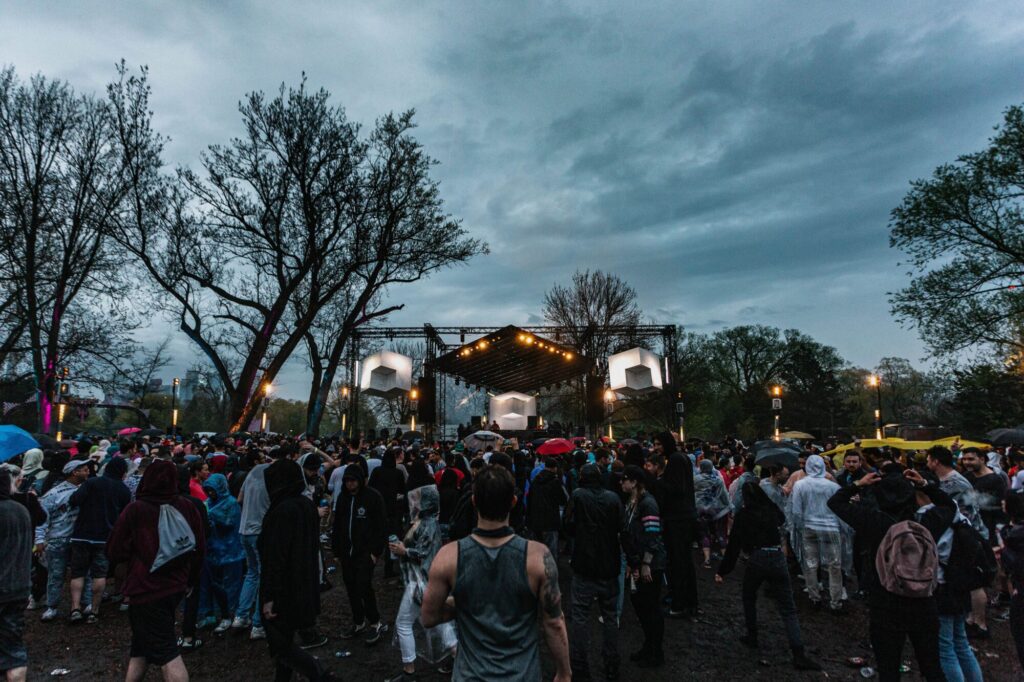
Consider the microphones, too
Wind can make an otherwise perfectly good outdoor sound system rather frustrating. Anyone who’s heard someone speaking into a microphone on a windy day will recognise that familiar low-frequency rumble.
A suitable foam windshield can help reduce wind noise during speeches and announcements. For particularly exposed locations, a more substantial wind protection system may be needed.
A small but useful addition: Foam microphone windshields are inexpensive, easy to carry and worth keeping in an event kit. Just check they’re the correct size for your microphone.
Related reading: Wired vs Wireless Microphones: 5 Differences That Actually Matter
4. Don't Underestimate the Wind
Rain tends to get most of the attention when planning an outdoor event. Wind deserves just as much consideration. A sudden gust can move unsecured signage, knock over lightweight furniture or create serious problems for temporary structures.
It can also affect audio equipment, particularly tall speaker stands and temporary installations. Rain tends to get most of the attention when planning an outdoor event. Wind deserves just as much consideration.
A sudden gust can move unsecured signage, knock over lightweight furniture or create serious problems for temporary structures. It can also affect audio equipment, particularly tall speaker stands and temporary installations.
Check your structures and equipment
Before the event:
Check the wind limitations of gazebos, marquees and temporary structures.
Use the anchoring or ballast specified by the manufacturer or installer.
Secure lightweight signage and decorations.
Keep access routes clear of loose objects.
Ensure speaker stands and other equipment are positioned and secured appropriately.
Establish who will monitor conditions and decide whether activities need to stop.
One important point: There’s no universal wind speed at which every outdoor event becomes unsafe.
A small gazebo, a professionally installed marquee and a temporary stage can all have very different operating limitations. Follow the specifications of the equipment you’re using, along with the event’s risk assessment. And if a shelter starts showing signs of instability, don’t attempt to hold it down or make improvised adjustments while conditions are dangerous.
5. Check the Forecast - Then Check It Again
Checking the weather once, three days before the event, isn’t really a weather plan. Conditions can change, especially when you’re dealing with localised showers, thunderstorms and gusty winds. A better approach is to monitor the forecast at several points.
A simple outdoor event weather timeline
One week before
Start monitoring the forecast and identify potential problems. Confirm your wet-weather arrangements with suppliers and the venue.


48 hours before
Review the latest forecast and any weather warnings. Decide whether additional shelter, equipment protection or changes to the layout are needed.
The day before
Confirm the plan with everyone involved, including suppliers, staff and volunteers.
On the day
Assign someone responsibility for monitoring conditions. Make sure they know who can authorise changes, suspend activities or cancel the event.
The Met Office weather warnings service is a useful starting point.
Know when to call it
This might be the least exciting advice in the article, but it’s arguably the most important. Sometimes the safest decision is to pause, postpone or cancel. Thunderstorms, dangerous winds, flooding and other severe conditions can create risks that no amount of waterproof equipment will solve.
In particular, a gazebo or marquee should not be treated as a safe place to shelter from lightning. People need to move to suitable substantial buildings or fully enclosed vehicles. Make sure your event has a clear procedure for severe weather, including how you’ll communicate instructions to attendees.
6. Look After Your Cables (And Your Guests' Ankles)
Cables have an impressive ability to end up exactly where people want to walk. Add rain, mud and several hundred pairs of shoes, and you’ve got a situation worth sorting out before the gates open.
For outdoor events, cable management is about more than keeping things tidy. It’s about protecting equipment, reducing trip hazards and preventing cables from being damaged.
Plan your cable routes before setting up
Where possible:
Route cables away from pedestrian areas.
Avoid low-lying areas where water could collect.
Use suitable cable ramps where cables must cross walkways.
Keep connections protected and away from standing water.
Inspect the routes regularly throughout the event.
And while we’re on the subject, ordinary gaffer tape isn’t a substitute for proper cable protection across busy outdoor walkways.
Are cable covers worth buying?
For organisers running regular outdoor events, suitable cable ramps can be a worthwhile investment. They protect cables from foot traffic and help keep walkways organised.
However, choose covers appropriate for the loads, environment and users. Accessibility matters too, particularly where wheelchair users or people with reduced mobility need to cross the route.
Related reading: Why You Need Cable Covers at Outdoor Events
7. Keep Guests Comfortable, Not Just Dry
An event can be technically safe and still be thoroughly miserable. Nobody wants to spend three hours standing in cold, damp shoes, wondering whether the catering tent has any tea left. A few thoughtful touches can make a surprising difference.
Create comfortable spaces
Consider providing:
Covered seating areas where people can escape showers.
Firm, non-slip routes across muddy or uneven ground.
Warm drinks when the temperature drops.
Drinking water and shaded areas in hot weather.
Somewhere dry to store coats and bags.
Accessible routes to toilets, catering and other essential facilities.
For weddings and private parties, a small basket of spare umbrellas or inexpensive ponchos can be a nice touch. For larger public events, think about how people will move between different areas if the ground becomes wet or slippery.
Remember that heat is weather, too
Weatherproofing isn’t just about preparing for rain. During unusually hot weather, shade, drinking water and opportunities to cool down become important.
Pay particular attention to children, older guests and anyone who may be more vulnerable to extreme temperatures. The aim is simple: make the event enjoyable regardless of whether everyone arrives wearing sunglasses or waterproof jackets.
8. Have a Plan B That People Actually Know About
A backup plan isn’t particularly helpful if it exists only in the organiser’s head. Everyone involved should understand what changes when the weather turns.
For example:
If this happens
Your backup plan might be
Light rain
Move vulnerable activities under suitable shelter
Heavy rain
Redirect guests away from flooded areas and review whether activities can continue
Strong winds
Suspend vulnerable activities and follow structure-specific safety procedures
Thunderstorms
Stop exposed activities and move people to safe shelter
Unsafe conditions
Pause, postpone or cancel according to the event’s emergency plan
Make sure you know:
Who makes the final decision.
How suppliers and staff will be informed.
How attendees will receive updates.
Where guests can safely go.
What happens to equipment if the event needs to stop.
Having those conversations in advance is far easier than trying to organise everyone while it’s pouring with rain.
Your Outdoor Event Weatherproofing Checklist
Before your event begins, work through these essentials.
- Check the latest forecast and Met Office warnings.
- Confirm shelters are suitable for the expected conditions.
- Ensure temporary structures are installed and secured correctly.
- Check electrical equipment and protection arrangements.
- Confirm that audio and lighting equipment are suitable for their locations.
- Keep cables protected and walkways clear.
- Provide comfortable shelter and accessible routes for guests.
- Establish procedures for severe weather.
- Make sure staff and suppliers understand the backup plan.
- Assign someone responsibility for monitoring conditions.
You might not need every piece of equipment mentioned in this guide. A small garden party and a large outdoor festival are very different operations.
The important thing is to assess what your particular event needs.
Frequently Asked Questions
Can you use speakers outside in the rain?
Only if the equipment is designed and rated for the conditions, or suitable protection has been provided in accordance with the manufacturer’s instructions. Many indoor PA speakers are not designed for direct exposure to rain. Always check before setting up.
How do you protect electrical equipment at an outdoor event?
Use equipment and electrical installations suitable for outdoor conditions, including appropriate weather protection, cable management and RCD protection. Temporary electrical installations should be designed and installed by competent people.
What's the best shelter for an outdoor event?
It depends on the event’s size, location and exposure. A suitable gazebo may work for a smaller gathering, while larger events often need professionally installed marquees or temporary structures. Always check the structure’s wind limitations and anchoring requirements.
Should you cancel an outdoor event because of rain?
Not necessarily. Light or moderate rain can often be managed with suitable shelter and preparation. However, severe winds, thunderstorms, flooding and other dangerous conditions may require activities to be suspended or the event postponed or cancelled.
Need Help Getting Your Outdoor Event Ready?
A bit of rain doesn’t have to ruin a brilliant event. But when you’re organising everything yourself, it’s reassuring to know the equipment side is taken care of.
At JET Event Hire, we help organisers across Coventry, Warwickshire, Birmingham, Solihull and surrounding areas with audio equipment, lighting and practical event setup.
Whether you’re planning a village fête, outdoor ceremony, corporate gathering or community event, we can help you work out what equipment makes sense for your venue.
We’ll also be honest about what’s suitable for outdoor use and what needs additional protection.
Planning an outdoor event? Get in touch with JET Event Hire and tell us what you’ve got in mind.

Posted By
Jack
JET Event Hire

Affiliate disclosure: This article contains paid links. We earn a small commission from qualifying purchases at no extra cost to you. As an Amazon Associate I earn from qualifying purchases.